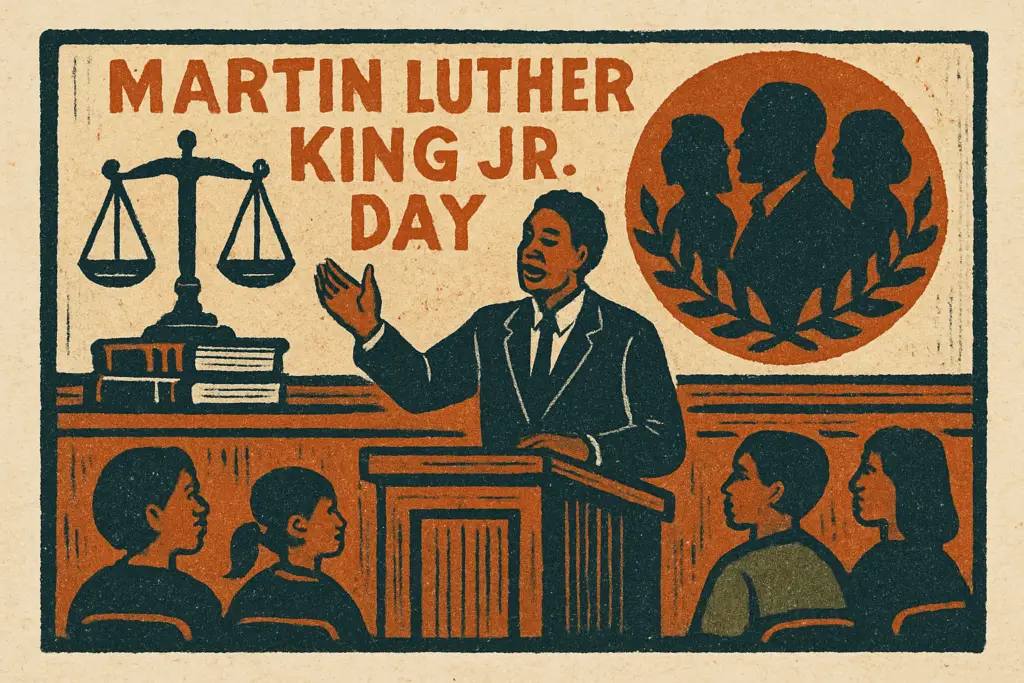
“To Kill a Mockingbird,” released in 1962 and based on Harper Lee’s Pulitzer Prize-winning novel, is a profound narrative that explores crucial themes of racial injustice, moral growth, and empathy. Showing this film as Martin Luther King Jr. Day approaches provides a thoughtful opportunity to reflect on the ongoing fight for civil rights and social justice.
This movie includes important themes and content that may require viewer discretion. Here are some warnings you might consider:
Content Warnings
- Racial Themes: The film tackles racism and injustice in a historical context, which may be disturbing for some viewers.
- Violence: There are scenes that depict violence, including references to lynching and assault.
- Emotional Intensity: The narrative can be emotionally charged and might provoke strong feelings related to prejudice and moral dilemmas.
These themes are crucial to the story but can be sensitive for some audiences.
To Kill a Mockingbird is not in the public domain in the United States, as it remains under copyright until 2056. This is 70 years after Harper Lee died in 2016, which means that the complete text, its adaptations, and any commercial use are prohibited. However, you can rent or purchase the movie.
Core Themes and Relevance
Racial Injustice
Central Plot: The film revolves around Atticus Finch, a lawyer in the racially segregated Southern United States who defends a black man, Tom Robinson, wrongfully accused of raping a white woman. Its portrayal of systemic racism is a cornerstone of the civil rights discourse, making it highly relevant for discussions on MLK Day.
Reflection of Realities: The narrative poignantly illustrates the prejudices that pervade society, resonating with the struggles of African Americans during the era of Dr. King. The injustices depicted mirror the realities of racial inequality that King sought to dismantle.
Moral Courage and Empathy
Lessons from Atticus Finch: Atticus serves as a role model, embodying integrity and moral courage. His commitment to justice, despite societal pressures, reflects Dr. King’s ideals about standing up for what is right, even in the face of adversity.
Cultivating Empathy: The film encourages viewers to “walk in someone else’s shoes,” a sentiment expressed in Dr. King’s teachings. Through the innocent eyes of Scout Finch, viewers are invited to understand the complexity of human nature and the importance of empathy in combating prejudice.
Educational Value
Catalyst for Conversation
Discussion Starter: “To Kill a Mockingbird” provides a rich text for discussion surrounding issues of race, justice, and morality. It opens dialogue about the progress made and the work still required in the realm of civil rights, encouraging reflection on contemporary issues.
Contextual Learning: Showing this film allows educators and community leaders to frame discussions about the historical context of the civil rights movement and the ongoing relevance of Dr. King’s message today.
Artistic and Cultural Significance
- Cinematic Excellence: The film is widely regarded as a classic, featuring powerful performances and direction. Its cultural significance adds another layer of importance to its presentation, offering an engaging and immersive experience.
Conclusion
“To Kill a Mockingbird” is more than just a film; it is a poignant reminder of the struggles against racial injustice and a call to moral action. Showing this film on Martin Luther King Jr. Day enriches the day’s observance, inspiring reflection and fostering conversations about equality, justice, and the ongoing battle for civil rights. Through its powerful narrative and timeless themes, the film continues to resonate, reminding us of the importance of standing up for what is right.
Viewing Options
You can watch “To Kill a Mockingbird”, including:
Streaming Services
- Netflix: Check if available in your region.
- Amazon Prime Video: Often available for streaming or rental.
- Hulu: May include the film in its catalog.
- Disney+: Occasionally features classic films.
Rental Services
- Google Play Movies
- Apple iTunes
- YouTube Movies
- Vudu
Purchase Options
- Amazon: Available for digital purchase.
- Best Buy: May offer physical copies like DVDs or Blu-rays.
You can also check platforms like FandangoNow or Redbox for rental options. Always verify availability as it can vary by region and over time.
Note: “To Kill a Mockingbird” (1962) is a profound narrative that explores central themes of racial injustice, moral growth, and empathy.
Disclaimer:
The information provided in this blog is for informational purposes only and should not be considered professional advice. While we strive to provide accurate and up-to-date information, we make no guarantees about the completeness or reliability of the content. Any actions you take based on the information in this blog are at your own risk. Additionally, this blog may contain affiliate links, and we may earn a commission from purchases made through those links.