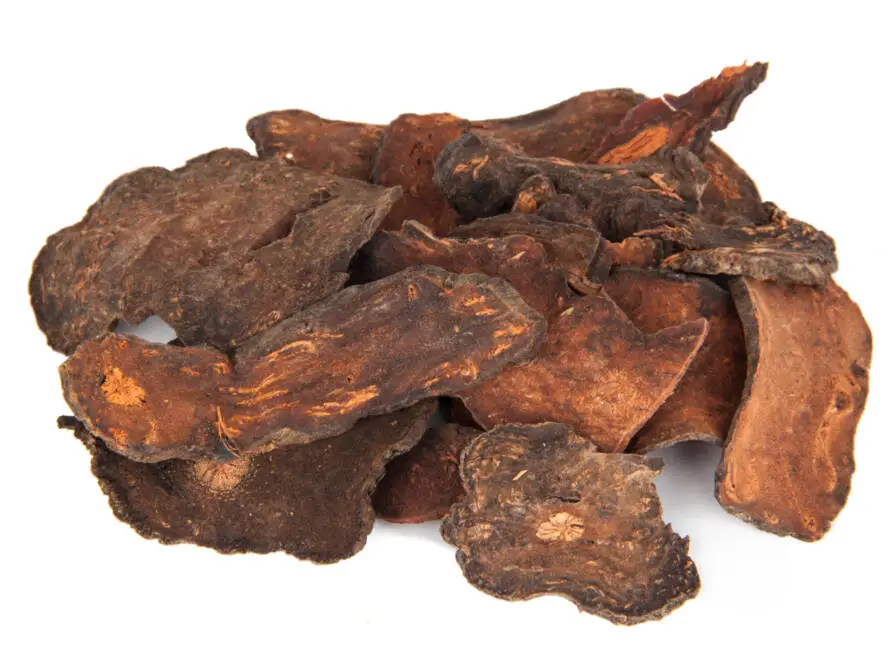
The Herbal Wonder of Women’s Health
Dong Quai, known scientifically as Angelica sinensis, is a highly regarded herb in traditional Chinese medicine (TCM). Often referred to as “female ginseng,” this herb has garnered popularity not only in China but also in various regions around the world, particularly in American herbal markets. It is esteemed for its purported ability to address various health issues, including menstrual disorders, rheumatism, and allergy symptoms. Given its widespread use, understanding the applications, safety, and scientific backing of Dong Quai is essential for those considering incorporating it into their wellness routines.
Common Names
Dong Quai goes by several names, reflecting its cultural significance and the contexts in which they are used across different regions, including:
- Dong Quai
- Danggui
- Tang-Kuei
- Chinese Angelica
These names encapsulate the herb’s rich history and its importance in different cultural practices.
What It Is Used For
Dong Quai’s primary applications center around women’s health, making it an integral component of many herbal formulas. In TCM, it is particularly valued for its efficacy in treating various menstrual disorders:
Suppressed Menstrual Flow: Dong Quai is believed to stimulate blood flow and promote menstrual regularity, making it useful for women who experience irregular cycles.
Dysmenorrhea: The herb is commonly used to alleviate menstrual pain. Many women turn to Dong Quai as a natural remedy to ease discomfort during their periods.
Uterine Bleeding: Dong Quai may help regulate excessive uterine bleeding when combined with other herbs, offering a holistic approach to menstrual health.
Beyond its role as a blood tonic, Dong Quai is also sometimes recommended to enhance energy levels and improve overall vitality, especially in women experiencing fatigue or weakness following menstruation.
How It Is Used
In its traditional applications, Dong Quai is prepared from the root, which is often ground into a fine powder. Users can take Dong Quai in various forms, including capsules or tablets. Standard dosing practices recommend a daily intake of 3 to 4 grams. Still, it is crucial to follow the manufacturer’s instructions, as the potency and composition of commercial preparations might vary significantly.
In addition to capsules and tablets, Dong Quai can also be enjoyed as a tea. This preparation often combines Dong Quai with other supportive herbs to maximize its benefits, enhancing both flavor and therapeutic properties.
What the Science Says
Dong Quai’s widespread use as a spice, tonic, and medicinal herb spans several Asian cultures, particularly in China, Korea, and Japan. Historically, it has been employed for various health benefits. However, scientific studies investigating its efficacy remain limited and inconclusive. While some research suggests potential benefits for menstrual irregularities and blood health, definitive clinical trials supporting these claims are few and far between. Most studies on Dong Quai are small-scale or lack rigorous controls, underscoring the need for comprehensive research to evaluate its effectiveness and safety.
Side Effects and Cautions
Despite its historical significance, certain precautions should be considered when using Dong Quai:
Menopause Considerations: Traditional Chinese medicine does not recommend Dong Quai for treating menopause or associated symptoms such as hot flashes. This is essential to note as the herb does not function as an estrogen replacement and lacks hormone-like effects in the body.
Photosensitivity: Individuals with fair skin may experience heightened sensitivity to sunlight when using Dong Quai, increasing the risk of skin rashes or sunburn. Therefore, practicing sun safety is crucial when taking this herb.
Medication Interactions: There may be potential interactions with anticoagulants or other herbal supplements. Individuals taking blood thinners or prescribed medications should consult healthcare providers before starting Dong Quai.
Conclusion
Dong Quai stands as a widely used herb, particularly celebrated in traditional Chinese medicine for its applications in women’s health. While it has a rich history of culinary and medicinal use, the necessity for thorough scientific validation remains crucial to establish its effectiveness and safety. As with any herbal remedy, individuals must consult healthcare professionals before incorporating Dong Quai into their health regimen, especially those with pre-existing conditions or who are pregnant or nursing. Making informed choices will not only enhance their health and well-being but also promote a balanced approach to traditional and modern medicine.
Resources
- Drugs.com
- Wikipedia.com
This summary highlights the key aspects of Guggul, including its traditional uses, potential benefits, and safety considerations.
Disclaimer
The information I’ve shared about herbs is for educational purposes only and is not meant as medical advice. While many herbs have been traditionally used for their potential health benefits, individual responses may vary, and the effectiveness of herbs can depend on various factors, including personal health conditions and interactions with medications. It is essential to consult with a qualified healthcare professional or a licensed herbalist before using herbs for medicinal purposes or making significant changes to your health regimen. This information should not be considered a substitute for professional medical advice, diagnosis, or treatment.