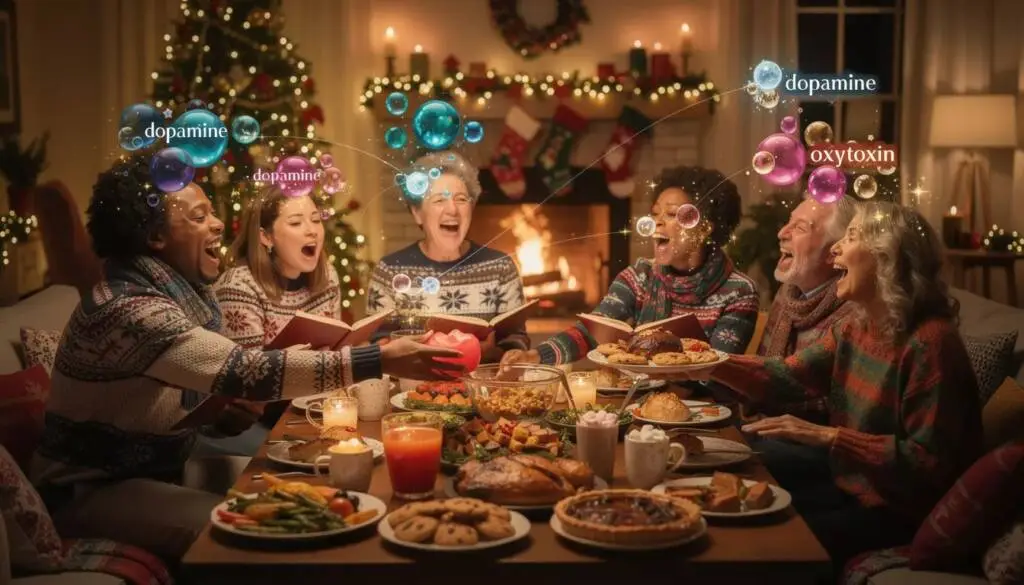
Explore the science behind holiday cheer, from festive music and lights to the joy of giving and shared meals.
The holiday season often brings joy, warmth, and a sense of connection. But what underlies this festive cheer? Understanding the science behind why certain holiday experiences uplift our spirits can make the celebrations even more meaningful. Here’s a dive into the fascinating world of holiday happiness, filled with insights that are both entertaining and educational.
The Power of Festive Music
Music can profoundly affect our emotions. Studies have shown that holiday tunes evoke nostalgic feelings and enhance positive emotions. The familiarity of carols and seasonal songs can elicit dopamine release, a neurotransmitter associated with pleasure and reward in the brain.
- Tip: Create a curated playlist of your favorite holiday songs to boost your mood during gatherings or while decorating.
- I am thrilled to share my Original Holiday Songs from InfoStarBase, created to celebrate this magical season.
The Role of Lights and Decorations
Festive lights trigger a sense of wonder and excitement. The bright colors and varying intensities of light can stimulate the brain’s reward system. This visual stimulation can create a cheerful atmosphere, making gatherings more enjoyable.
- Source: A study published in Environmental Psychology indicated that well-decorated spaces during the holidays significantly improve mood and social interaction.
The Joy of Giving
Acts of kindness and generosity have a measurable impact on our happiness. Research shows that giving not only benefits the receiver but also boosts the giver’s well-being. When you treat someone during the holidays, oxytocin—often referred to as the “love hormone”—is released, fostering connections.
- Source: The Journal of Happiness Studies found a direct correlation between altruistic behavior and increased levels of happiness, especially during the holiday season.
Food, Flavor, and Memories
Food plays a crucial role in holiday traditions. The aromas and tastes of favorite holiday dishes can evoke strong memories and foster emotional connections. This sensory experience can boost mood and enhance the feeling of being with loved ones.
- Source: Research in Psychology of Food indicates that familiar smells can trigger significant emotional responses, often linked to nostalgia and familial bonds.
- Delight in the flavors of the season with our collection of Christmas recipes!
Community and Connection
Gathering with loved ones is a decisive factor in holiday cheer. Social interactions and shared experiences boost oxytocin levels, contributing to feelings of safety and trust. Having a supportive network during the holidays can counter feelings of loneliness and depression.
- Source: The American Psychological Association points out that strong social ties are linked to increased happiness and resilience during stress.
Practical Takeaways
- Curate your environment: Use lights, music, and decorations to create a festive atmosphere.
- Engage in acts of kindness: Volunteer or give back to your community; it enhances both your mood and that of others.
- Create memorable meals: Cook family recipes that evoke nostalgia and invite loved ones to share.
As we immerse ourselves in the holiday season, understanding the science behind the joy we feel can enhance our celebrations. By embracing the elements that uplift our spirits—like music, light, generosity, and togetherness—we can create memorable experiences that nurture connections. This holiday, let’s focus not just on the festivities but also on the science of happiness that makes them truly special. Celebrating mindfully can transform our holiday season into a meaningful journey of cheer and gratitude.
Disclaimer:
The information provided in this blog is for informational purposes only and should not be considered professional advice. While we strive to provide accurate and up-to-date information, we make no guarantees about the completeness or reliability of the content. Any actions you take based on the information in this blog are at your own risk. Additionally, this blog may contain affiliate links, and we may earn a commission from purchases made through those links.